Best Free Thing to Do in Rome: A Self-Guided Walk Through the Historic Center
The best free thing to do in Rome is also the most “Rome” experience you can have: walk the historic center with no agenda beyond following great streets from one landmark to the next. You’ll pass ancient temples turned churches, baroque fountains, and piazzas that still function like outdoor living rooms—without buying a ticket.
Below is a practical, self-guided route you can do in 2–4 hours (longer if you linger), plus tips to avoid crowds and a few smart add-ons if you want to turn your free walk into a full day.
Why a historic-center walk is Rome’s #1 free experience
Rome is unusually generous at street level. Some cities hide their best sights behind museum doors; Rome puts a lot of its “wow” right on the route between coffee stops. A walk works because:
- Landmarks are close together: you can stack the Pantheon, Piazza Navona, Trevi Fountain, and the Spanish Steps in one loop.
- The city is layered: you’ll spot ancient columns built into medieval walls and baroque façades sitting on Roman foundations.
- It’s flexible: start early for quiet photos, go at dusk for atmosphere, or split it into two shorter walks.
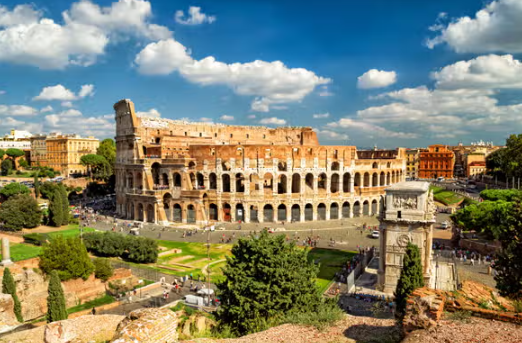
If you want context beyond what you can pick up from plaques and guide apps, consider pairing your walk with a guided highlight tour on a different day—like the Colosseum, Roman Forum & Palatine Hill Guided Tour, which covers the big ancient sites that aren’t “free to enter” but are essential for understanding the city.
The best free walking route (2–4 hours): Rome’s greatest hits on foot
This route is designed for maximum payoff with minimal backtracking. It’s also easy to shorten: stop wherever you’re satisfied and hop on a bus, taxi, or metro.
Stop 1: Piazza Navona (start here if you can)
Piazza Navona is a perfect “Rome warm-up.” It’s long and theatrical because it follows the footprint of an ancient stadium. Walk the length of the piazza, look at the fountains, and notice how the space still works like a public stage—street artists, families, and evening strolls.
Quick tip: If you arrive early (before 9:00), you’ll get a calmer feel before the crowds and caricature stands fully kick in.
Stop 2: The Pantheon (free to admire, iconic from the outside)
From Piazza Navona it’s a short walk to the Pantheon area—one of the most visually satisfying corners of central Rome. Even if you don’t go inside, the exterior and the piazza are worth it: the columns, the proportions, the constant movement of people coming and going.
What to notice: The way the building “anchors” the neighborhood. In Rome, the big monuments aren’t isolated; they’re woven into daily life.
Stop 3: Via del Corso detour (optional) for people-watching
If you want a busier, modern Rome moment, cut briefly toward Via del Corso. You’ll get a sense of the city’s everyday rhythm—shopping streets, commuters, and that constant Roman flow of scooters and conversation.
Stop 4: Trevi Fountain (go early or go late)
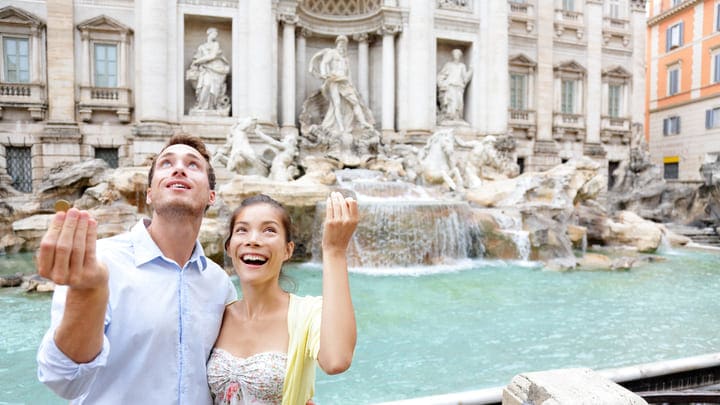
Trevi is not a “hidden gem,” but it earns its reputation. The fountain is loud, dramatic, and surprisingly cinematic in person. The trick is timing: midday can feel like a crowd-management exercise.
Best times: before 8:30 in the morning, or after dinner when the lights are on and the energy is more relaxed.
Stop 5: Spanish Steps (and the view without paying for it)
From Trevi it’s an easy walk to the Spanish Steps. The steps themselves are the attraction—sit for a few minutes, watch the scene, and then walk up for a free view over the rooftops and the street life below.
Local-style move: Don’t turn this into a long sit in the busiest section. Walk up, pause at the top, then drift into the quieter side streets behind the steps.
Stop 6: Piazza del Popolo (a clean finish with space to breathe)
Keep heading north to Piazza del Popolo, one of the city’s grand “gateway” squares. It’s a good place to end because it opens up—after tight lanes and packed fountains, the scale feels refreshing.
Do it in this order (simple checklist)
- Piazza Navona
- Pantheon (outside + piazza)
- Optional Via del Corso detour
- Trevi Fountain
- Spanish Steps
- Piazza del Popolo
How to time it: crowds, light, and comfort
Rome is walkable, but it’s also popular—and small streets concentrate people fast. A few timing strategies make a big difference:
Best time of day for this free walk
Early morning is the easiest win: cooler temperatures, fewer tour groups, and better photos. Late evening is second-best: the city feels more local, and major fountains and piazzas look great lit up.
Best day of the week
Any day works, but weekends in the historic center can feel shoulder-to-shoulder. If you can, do your “big sights walk” on a weekday and save weekends for neighborhoods with more space.
What to wear and bring (so the free thing stays enjoyable)
- Comfortable shoes (cobblestones are real)
- A small water bottle (refill when you can)
- A light layer for evenings—Rome cools down after sunset
Free add-ons that make the walk feel like a full Rome day
If you have more time, you can extend the same “walk-first” approach without turning it into a forced march.
Detour to the Tiber River for a change of pace
After Piazza Navona, it’s easy to wander toward the river. The Tiber isn’t the postcard center of Rome, but it gives you breathing room and a different angle on the city’s bridges and embankments.
Step into churches as you pass (quiet, cool, and often stunning)
One of Rome’s best budget secrets is that many churches are free to enter and offer serious art and architecture. Keep it simple: if a door is open, step in for two minutes. Even if you’re not “a church person,” the calm and the craftsmanship are worth it.
Turn your free walk into a “history + highlights” combo day
Do the free historic-center walk in the morning, then choose one paid anchor experience in the afternoon. Two easy pairings:
- Colosseum, Roman Forum & Palatine Hill Guided Tour for ancient Rome context.
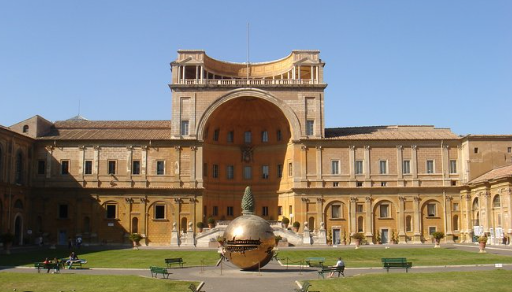
- Vatican Museums & Sistine Chapel Guided Tour for the art-heavy side of Rome (book ahead—entry is timed).
Common mistakes on a “free Rome” day (and what to do instead)
Mistake: Trying to see everything in one loop
Do instead: Pick 4–6 stops and enjoy them. Rome rewards lingering—rushing makes the city feel like a checklist.
Mistake: Showing up to Trevi at peak time and expecting serenity
Do instead: Go early or late. If you only have midday, treat Trevi as a quick look, then move on to quieter streets nearby.
Mistake: Forgetting that “free” still means you need a plan
Do instead: Choose a start point and an end point (like this route), then let yourself wander in between. The structure keeps it fun.
Plan your trip
Want to balance your best free thing to do in Rome with one or two high-impact guided experiences? Browse all options and build your itinerary at VIZITOUR tours.